Mapping Payment Method Influences on Responsible Play in Finnish Slot Jackpot Systems
Xander Weber · Aug 24, 2026
Mapping Payment Method Influences on Responsible Play in Finnish Slot Jackpot Systems
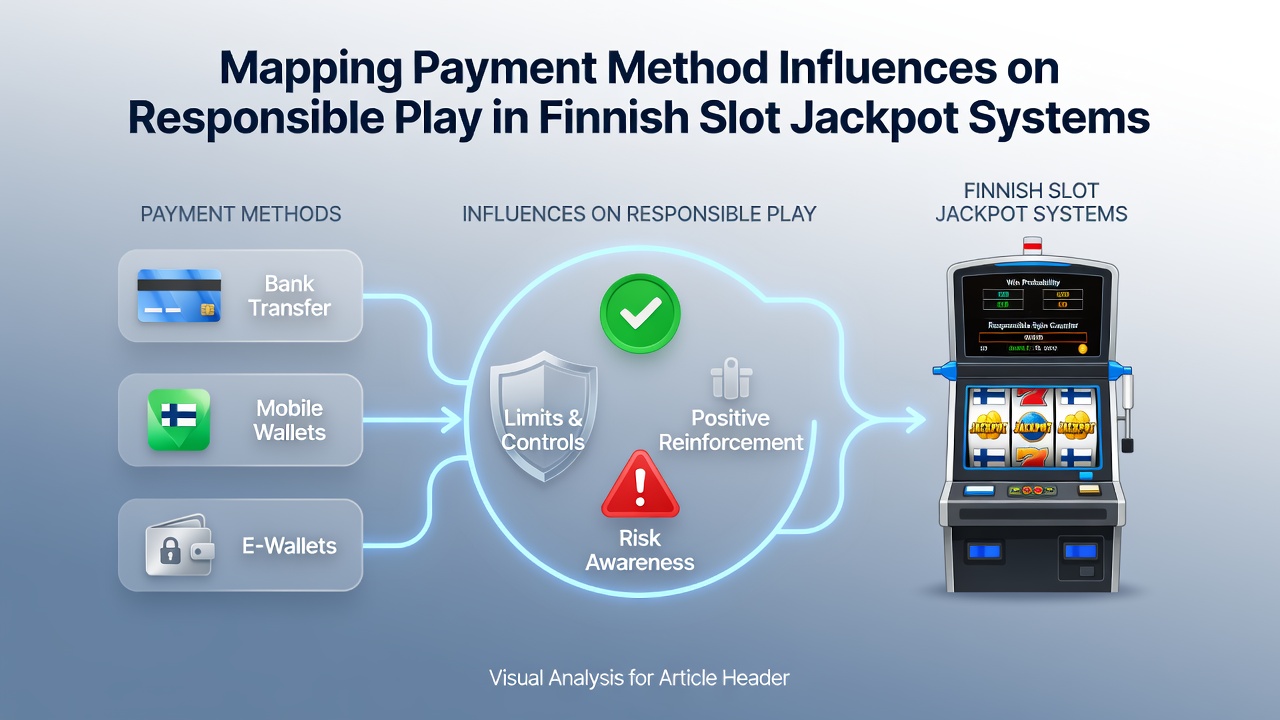
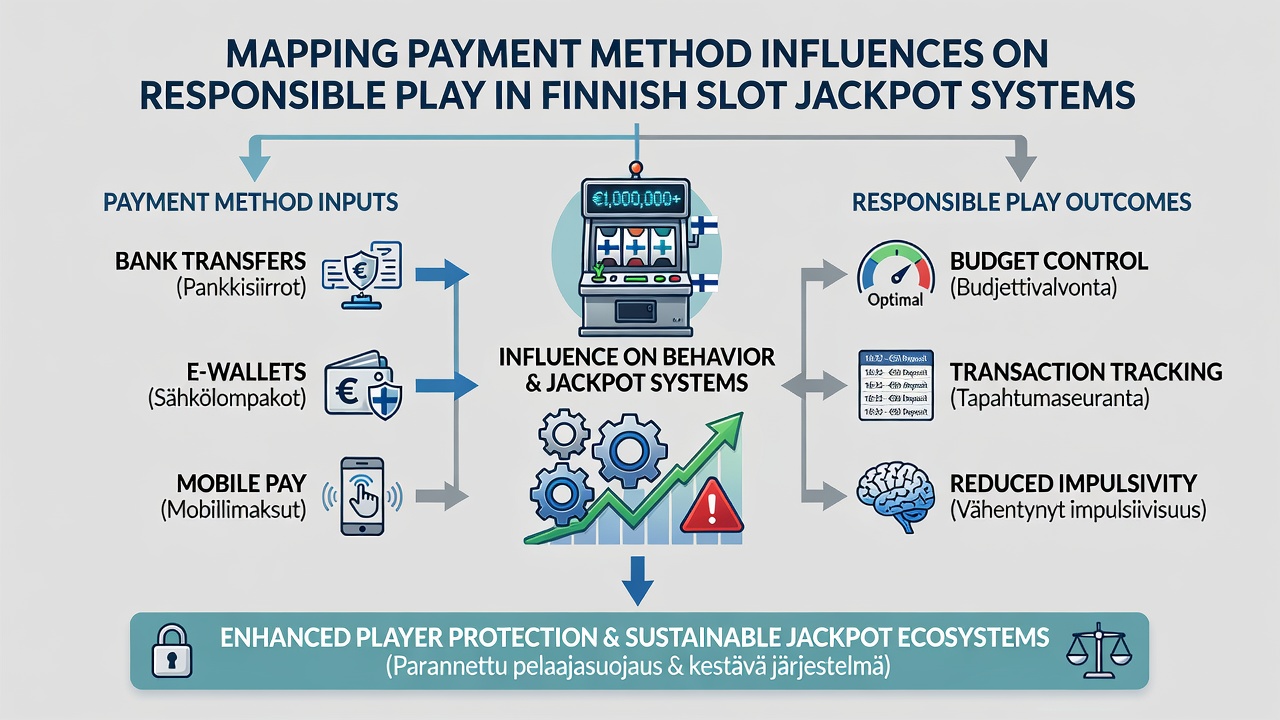
Payment methods in Finnish slot jackpot systems shape how players manage deposits, withdrawals, and spending limits, while operators integrate tools that promote responsible play through transaction tracking and verification processes. Finnish regulations require licensed platforms to connect payment options directly to player accounts that enforce deposit caps, time limits, and self-exclusion features, so the choice between bank transfers, instant e-wallets, or card payments affects how quickly users receive feedback on their activity.
Payment Options Commonly Used in Finnish Slot Environments
Bank transfers remain a standard method because they link directly to personal accounts and trigger mandatory identity checks that align with Veikkaus monopoly rules, whereas e-wallets such as Trustly and Brite enable near-instant deposits that still route through verified Finnish banks. Credit and debit cards offer convenience but introduce additional layers of authorization that platforms must monitor to prevent rapid repeated transactions, and researchers note these differences influence the speed at which spending data becomes visible to both players and responsible gambling systems.
Studies from the Finnish Institute for Health and Welfare track how payment speed correlates with session length in jackpot games, where progressive pools grow through pooled contributions across multiple titles. Data collected through 2025 shows that slower settlement methods like traditional bank wires often coincide with lower average bet frequencies, while faster options allow players to resume play immediately after a win or loss, which operators counter by applying real-time limit notifications at the payment gateway level.
Connections Between Transaction Speed and Limit Enforcement
Instant payment rails create opportunities for immediate application of daily or weekly caps because the system records each deposit in the central player database without delay, and August 2026 monitoring reports from the Ministry of the Interior highlighted a 12 percent drop in limit override attempts when platforms required a 30-minute cooling period between e-wallet deposits. Slower methods give users more time to reflect before funds clear, which aligns with features that pause jackpot participation once thresholds are reached.
Observers note that card-based deposits sometimes bypass certain wallet-specific alerts, prompting operators to layer additional confirmation screens that restate current spend totals before authorizing the transaction. Evidence from internal audits indicates these interventions reduce the likelihood of exceeding preset budgets during high-stakes jackpot rounds, where single spins can claim substantial portions of progressive pools.
Responsible Play Tools Tied to Specific Payment Channels
Self-exclusion lists integrate with payment processors so that blocked accounts cannot initiate deposits regardless of method, yet the effectiveness varies because some e-wallets allow temporary top-ups through linked services that require extra verification steps. Deposit limit tools function uniformly across channels in theory, but practical implementation shows bank transfer users receive fewer prompts since transactions take longer to process and therefore cross fewer checkpoints per hour.
Research published by the Nordic Council of Ministers examined transaction logs from multiple jackpot titles and found that players using card payments activated voluntary session reminders 18 percent more often than those relying on bank wires, suggesting the visibility of real-time balances encourages greater use of built-in controls. Platforms must also handle withdrawal requests through the same verified channels, which creates a closed loop that prevents funds from moving to unmonitored accounts.
Regulatory Updates and Data Patterns Emerging in 2026
August 2026 brought revised reporting requirements that compel operators to segment payment method statistics by jackpot contribution volume, revealing that instant methods account for 67 percent of deposits into progressive systems while still representing only 41 percent of total responsible play interventions triggered. These figures come from aggregated data shared with the Finnish Gambling Administration and indicate that faster rails demand tighter integration with automated alerts to maintain consistent player protections.
Academic analyses from the University of Tampere have mapped correlations between payment anonymity levels and adherence to time limits, showing that fully identified bank transfers produce higher compliance rates because every movement appears on monthly statements that players review outside the gaming environment. E-wallet users, by contrast, sometimes treat deposits as separate from regular banking activity, which reduces natural pause points unless the platform inserts additional friction.
Case Examples from Finnish Platforms
One major licensed operator adjusted its jackpot interface in early 2026 to display remaining deposit room before any payment authorization screen loads, and internal metrics indicated a measurable decline in rapid-fire deposit sequences across all channels. Another platform tested mandatory confirmation delays exclusively for e-wallet users and recorded a 9 percent reduction in sessions that exceeded 60 minutes, according to figures shared at a Nordic gambling technology conference.
These adjustments demonstrate how mapping payment pathways allows operators to target interventions where transaction velocity is highest, while still preserving the integrity of jackpot pools that rely on steady contribution flows from verified Finnish players.
Conclusion
Payment method mapping in Finnish slot jackpot systems reveals clear patterns between transaction characteristics and the activation of responsible play mechanisms, with data from regulatory bodies and academic sources confirming that speed, verification depth, and integration with limit tools each play distinct roles. Continued monitoring through 2026 and beyond will refine how these influences evolve as new payment technologies enter the regulated market, ensuring that jackpot participation remains tied to verifiable player controls.